Trusted company that deals in Quality-made products

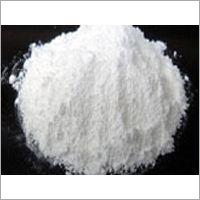
Sodium Acetate Trihydrate Anhydrous
12 INR/Kilograms
Product Details:
- Properties Hygroscopic, readily soluble in water, stable under normal conditions, acts as a buffer, mild alkaline pH in solution
- Ingredients Sodium Acetate (NaC2H3O2), Water of crystallization for trihydrate
- Storage Store in tightly closed containers, in a cool, dry, ventilated area, away from incompatible materials
- Appearance White crystalline solid (trihydrate: granular or powder, anhydrous: powder/flakes)
- Shelf Life Minimum 2 years (when sealed and stored properly)
- Usage As per application specialty prepare solutions, add as buffer, or mix as directed
- CAS No 6131-90-4 (Trihydrate), 127-09-3 (Anhydrous)
- Click to View more
X
Sodium Acetate Trihydrate Anhydrous Price And Quantity
- 12 INR/Kilograms
- 10000 Kilograms
Sodium Acetate Trihydrate Anhydrous Product Specifications
- 99% (varies by grade and application)
- 136.08 g/mol (Trihydrate), 82.03 g/mol (Anhydrous)
- Trihydrate: 58C, Anhydrous: 324C
- Solid (Trihydrate: crystalline powder or granules, Anhydrous: powder or flakes)
- Buffer solutions, textile industry, food additive (preservative E262), heating pads, photography, laboratory reagent, tanning, pharmaceuticals
- n/a (solid crystals)
- Granular, powder, or flakes
- Acetate Salt
- CH3COONa3H2O (Trihydrate), CH3COONa (Anhydrous)
- No (if used as directed)
- 8.9 (5% aqueous solution)
- Slightly acetic or odorless
- Slightly vinegar-like, saline
- 29152990
- Technical, Laboratory, Food, or Pharmaceutical Grade (specify grade as per requirement)
- C2H3NaO23H2O (Trihydrate), C2H3NaO2 (Anhydrous)
- 204-823-8 (Anhydrous), 204-823-8 (Trihydrate)
- As per application specialty prepare solutions, add as buffer, or mix as directed
- Minimum 2 years (when sealed and stored properly)
- Soluble in water (76 g/100 mL at 20C for trihydrate), slightly soluble in alcohol
- 6131-90-4 (Trihydrate), 127-09-3 (Anhydrous)
- 1.45 Gram per cubic centimeter(g/cm3)
- Sodium Acetate (NaC2H3O2), Water of crystallization for trihydrate
- Hygroscopic, readily soluble in water, stable under normal conditions, acts as a buffer, mild alkaline pH in solution
- White crystalline solid (trihydrate: granular or powder, anhydrous: powder/flakes)
- Store in tightly closed containers, in a cool, dry, ventilated area, away from incompatible materials
- 1% (Anhydrous), specified according to grade for trihydrate
- 500 g, 1 kg, 25 kg, 50 kg, or as required
- <2 ppm (typically for food/pharma grade)
- Releases acetic acid and sodium carbonate
- Strong oxidizers, acids
- Decomposes before boiling
- Not regulated
- Not regulated as hazardous
- High in aqueous solution
- 4.76 (acetic acid component)
- HDPE drums, polybags with liner, or as specified
Sodium Acetate Trihydrate Anhydrous Trade Information
- 10000 Kilograms Per Week
- 1 Week
Product Description
Over the years of dedication, we have been a reputed manufacturer of Sodium Acetate Trihydrate Anhydrous in the market. It is used as an ingredient for diuretics, expectorants and systemic alkalizer. Sodium Acetate Trihydrate Anhydrous is used as a dry blend for renal dialysis. We strive to deliver it safely on time.
Sodium acetate tri-hydrate is a chemical
It consists of sodium, acetate, and water molecules, with three water molecules of hydration. When its referred to as anhydrous, it means that all water has been removed, and the compound is simply sodium acetate
Properties:
Appearance: White crystalline solid.
Solubility: Soluble in water, especially in its hydrated form.
Melting Point: The anhydrous form has a higher melting point than its hydrated counterpart.
Applications:
Buffer Solutions: Used in biochemical applications as a buffering agent.
Heating Pads: The tri-hydrate form can release heat when crystallizing from a supersaturated solution.
Food Industry: Often used as a food preservative and flavoring agent.
Reliable Composition and Properties
Sodium Acetate features excellent purity, chemical stability, and a mild alkaline pH in aqueous solutions. Both trihydrate (CAS 6131-90-4) and anhydrous (CAS 127-09-3) forms are hygroscopic, and their crystalline solids dissolve readily in water. The product is available in technical, laboratory, food, or pharmaceutical grades, with lead content kept below 2 ppm for sensitive uses.
Safe Handling and Storage Guidelines
This product is not regulated as a hazardous material and poses no acute toxicity when used as directed. Store Sodium Acetate in sealed HDPE drums or polybags with liners, in cool, dry, and ventilated areas away from acids and strong oxidizers. When sealed and stored properly, its shelf life extends to a minimum of two years without loss of quality.
Versatile Applications Across Industries
Sodium Acetates uses include buffer solutions, textile processing, food preservation, heating pads, laboratory reagent, tanning, pharmaceuticals, and photography. Its mild alkaline nature and high conductivity in water make it ideal for various specialty solutions, and it offers reliable performance according to the chosen grade and application.
FAQs of Sodium Acetate Trihydrate Anhydrous:
Q: How should Sodium Acetate be stored to maintain its quality?
A: Sodium Acetate must be stored in tightly sealed containers, such as HDPE drums or polybags with liners, placed in cool, dry, and well-ventilated areas, away from strong oxidizers and acids. This ensures the compound remains stable and extends the shelf life to at least two years.Q: What benefits does Sodium Acetate offer in buffer solutions and food additives?
A: Sodium Acetate provides stable, mild alkaline pH in buffer solutions and acts as a preservative (E262) in foods, inhibiting bacterial growth without imparting hazardous effects. Its high purity and low lead content are beneficial for both laboratory and food-grade variety applications.Q: When is it appropriate to use the anhydrous versus trihydrate form of Sodium Acetate?
A: Choose anhydrous Sodium Acetate for applications where precise moisture content is required, such as preparing dry buffer mixes or laboratory reagents. The trihydrate form is preferred for uses prioritizing solubility or for food/pharma-grade applications where water of crystallization is advantageous.Q: Where can Sodium Acetate be applied industrially and what is its main usage?
A: Industrially, Sodium Acetate is widely used in textiles, tanning, heating pads, photography, and pharmaceuticals. Its principal roles include acting as a buffering agent, pH regulator, and preservative, depending on the specific process and grade selected.Q: What process should be followed for creating aqueous Sodium Acetate solutions?
A: To prepare an aqueous solution, dissolve the required amount of Sodium Acetate in water, referencing its high solubility (up to 76 g/100 mL for the trihydrate at 20C). Adjust the concentration based on desired pH and buffer capacity, and ensure thorough mixing for uniformity.Q: Is Sodium Acetate poisonous and how safe is its usage across different applications?
A: Sodium Acetate is non-toxic and not regulated as hazardous when used as directed. For food and pharmaceutical applications, grades ensure minimal lead content (<2 ppm), confirming safety for consumer and laboratory use.Q: What are the incompatibilities and decomposition products of Sodium Acetate?
A: Sodium Acetate should not be mixed with strong oxidizers or acids. Upon thermal decomposition, it releases acetic acid and sodium carbonate, so handling at high temperatures should be performed with caution.Tell us about your requirement

Price:
Quantity
Select Unit
- 50
- 100
- 200
- 250
- 500
- 1000+
Additional detail
Mobile number
Email

Other Products in 'Chemical Powder' category

Contact Details

- Survey No.107, At Post Gopalpura, Taluka, Anand - 388370, Gujarat, India
- Phone :08045479319

- Mr Dhanji S Patel (Director)
- Mobile :08045479319
- Send Inquiry
 Send Inquiry
 Send Inquiry
 Send SMS
SATYAM LABORATORIES
All Rights Reserved.(Terms of Use)
Developed and Managed by Infocom Network Private Limited.
Developed and Managed by Infocom Network Private Limited.

